
Canada-Wide Sustainable Healthcare
From Desflurane-free in 2026
To Coordinated for Climate-Resilience by 2028

Theory
🔄 Our Theory of Change
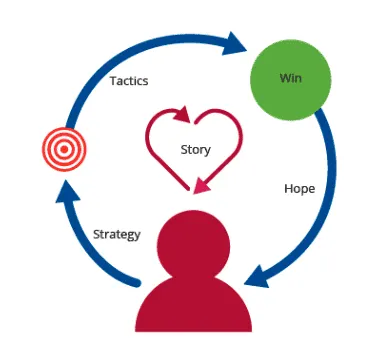
Image from Learning to treat the climate emergency together: social tipping interventions by the health community, The Lancet Planetary Health
Defined through an international expert consensus process and in consultation with Marshall Ganz of Harvard, the Target-based change making model aligns with Ganz’s own teachings as well as evidence from political science, behavioural change, communications, and movement-building.
It is based on an understanding that the limiting factor in work for a healthy climate is not that people don’t care, it’s that they are limited in their pathways to agency through a combination of an inability to cope (problems of the heart), uncertainty as to what to do (challenges of the head), or a lack of ability to practically accomplish tasks (problems of the hands). This model addresses these challenges through attention to story to help and motivate the heart, strategic target-setting and tactics to inform the mind, and coordination and training to enable the hands. Losses are reframed into learning steps with the help of instruction and feedback from a well-trained and caring change-making coach.The key concept is that momentum is generated through iterative wins that each contribute to building skill, financial capital, social capital, political capital, and a larger team, yielding a bandwagon-jumping effect and the power required to achieve progressively more ambitious targets.
By thinking through elements of strategic target-setting, tactics, and story-telling, the POWER secretariat is able to provide a pathway to agency for health sector workers who otherwise feel stuck in their efforts for a healthy response to climate change, and to coach them through the different elements of change-making and reframe losses as learning moments.
🌎 Climate Changes Health in Canada
.webp)
The World Health Organization has long called climate change the greatest global health threat of the 21st century. In Canada, its impacts include trauma, displacement and poor air quality related to severe wildfires, deaths from heat emergencies, food insecurity related to changes in crops and land-based food availability, emerging infectious disease risks including the spread of Lyme Disease, and mental health challenges related to both subacute long-term risks like eco-anxiety and ecological grief, and acute risks related to the traumas of disaster and displacement.
📍Roadmap for Planetary Health & Sustainable Health Systems for Canadian Medical Professionals
.webp)
Excerpt: “Global surveys of medical school education confirm very low rates of climate change and air pollution inclusion in curricula.10 In Canada, medical students emphasize the need for improved education on planetary health. The 2019 report by the Canadian Federation of Medical Students’ Health and Environment Adaptive Response Task Force (HEART) found inadequate planetary health education across Canadian medical schools. The 2021 follow-up report shows some progress but identifies ongoing deficiencies. Medical students advocate for a curriculum that integrates planetary health with social determinants of health and emphasizes environmental sustainability in clinical practice. Surveys indicate that most practicing physicians believe that climate change is important, but do not know how to counsel patients or interact with policymakers.11 This underscores the need for enhanced education in medical curricula and continuing medical education to prepare physicians for the health impacts of climate change."
Watch the July 17 webinar on the Roadmap:
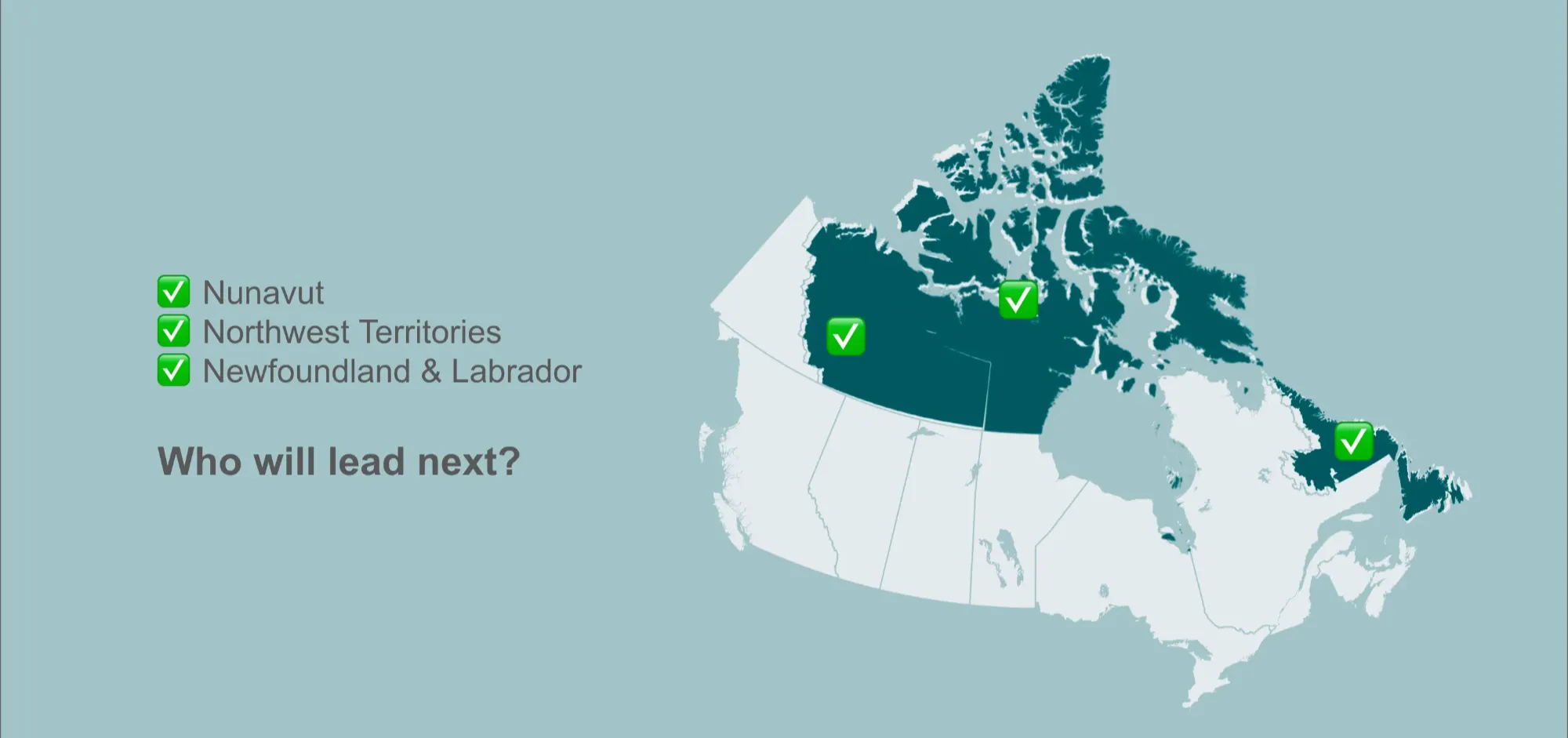
GOAL 1: Dramatically reduce Desflurane by January 2026 in alignment with European Union Goals building on the successes of Newfoundland and Labrador (NFLD), Nunavut and the Northwest Territories (NWT).
Watch Our Campaign Launch (7min)

Our Campaign Goals
Goal #1
Dramatically reduce Desflurane by January 2026 in alignment with European Union Goals building on the successes of Newfoundland and Labrador (NFLD), Nunavut and the Northwest Territories (NWT).
As of March 2025, Newfoundland and Labrador, Nunavut and Northwest Territories have phased out desflurane
Goal #2
Create Sustainable Healthcare Secretariats at the Provincial and Territorial Levels. Using the wins and hope created by goal 1, create capacity, teams, relationships, and momentum towards the creation of a network of provincial and territorial secretariats for sustainable, climate-resilient healthcare in Canada by the end of 2028.
Using the achievements from Goal 1, we want to generate hope towards Goal 2.
Goal #3
Secure national commitments at the November 2025 Health x Climate Gathering to implement the Roadmap for Planetary Health and Sustainable Health Systems for Canadian Medical Professionals. This roadmap—endorsed by the Association of Faculties of Medicine of Canada and approved by all Canadian medical school deans—lays the foundation for climate-resilient care. By assigning clear roles & responsibilities, we can fully coordinate sustainable healthcare implementation by the end of 2028.
Planetary Health - AFMC
Campaign Progress
Note: this map is not complete. If you would like to add your hospital, send us a note at gagnon.will@gmail.com. This work builds on the hard work and dedication of many volunteers across the country. You can find the Ontario’s Anesthesiologists’ list of hospitals that have eliminated or reduced desflurane from their operations here. The list desflurane-free hospitals in Quebec was compiled by the AAQ and made available on their website. The BC list was compiled with the help of Sonja Janousek and Emily Lomax. Thank you for your help!
How you can help
Fill our 1 min volunteer survey:
Would you like to join our target-based advocacy efforts regarding desflurane phase-out and sustainable healthcare and get connected into the group doing this work in your jurisdiction with our national support? Answer our short survey here and let us know how you would like to contribute.
Get your organization to endorse our campaign
Would you like to join our target-based advocacy efforts regarding desflurane phase-out and sustainable healthcare and get connected into the group doing this work in your jurisdiction with our national support? Answer our short survey here and let us know how you would like to contribute.